
PRF vs. PRP Treatments For Hair Loss
- Posted on: Nov 15 2026
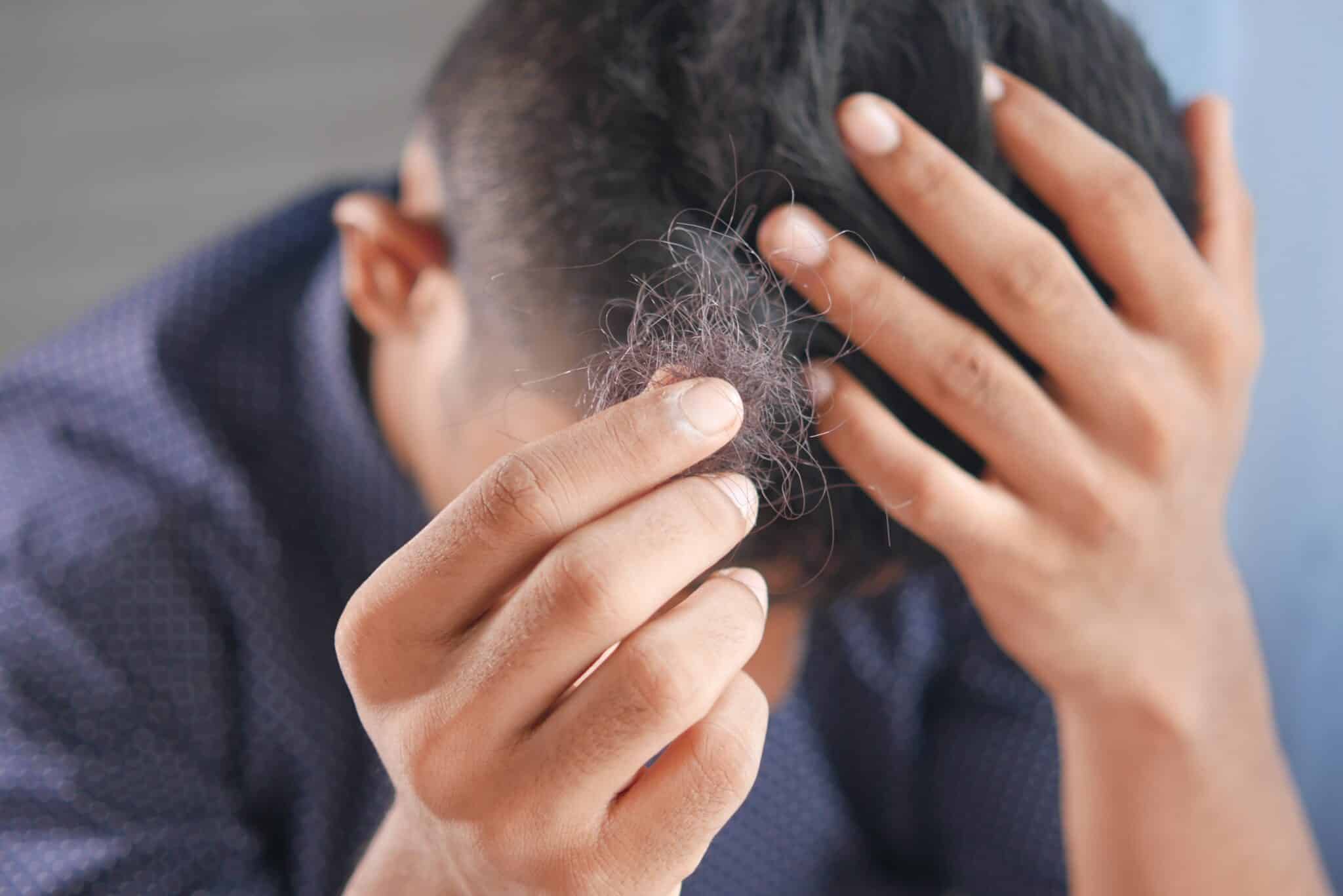
Hair thinning doesn’t happen overnight. For many men and women, androgenetic alopecia, also called pattern hair loss, develops gradually as hair follicles produce progressively finer strands. Fortunately, treatments that use components of your own blood may help support hair growth.
At American Dermatology Associates in Sarasota, board-certified dermatologist Dr. Jennifer Plush offers platelet-rich fibrin (PRF) hair restoration. Understanding the differences between PRP and PRF can help you explore your options and make informed decisions about treating hair loss.
How Does PRP Work for Hair Loss?
Platelet-rich plasma (PRP) therapy uses a concentrated portion of your blood containing platelets and growth factors involved in tissue repair. After processing a blood sample, the platelet-rich solution is introduced into areas of the scalp experiencing thinning.
These growth factors may influence hair follicle activity, support the hair cycle’s growth phase, and improve hair density.
Research supports PRP as a potentially beneficial treatment for androgenetic alopecia. A 2024 systematic review and meta-analysis found improvements in hair density among individuals receiving PRP compared with controls, although the researchers emphasized limitations in study quality.
PRP may also complement established treatments such as minoxidil, depending on your diagnosis and treatment goals.
What Makes PRF Different from PRP?
PRF is a newer platelet-based treatment that shares similarities with PRP but differs in how the blood is processed and how its components behave.
Both treatments use your own blood, but PRF is generally prepared without anticoagulant additives. Its distinctive fibrin structure creates a supportive network that can retain platelets and growth factors.
Rather than releasing these factors rapidly, the fibrin matrix may allow a more gradual release into surrounding tissue.
This characteristic has generated interest in PRF as a potential option for encouraging hair follicle activity and supporting scalp health.
PRF vs. PRP: Which Is Better for Hair Regrowth?
When comparing PRP vs. PRF for hair restoration, the primary differences involve preparation, composition, and growth factor release.
PRF offers several potentially beneficial characteristics:
- Fibrin structure: Creates a matrix that supports the gradual release of growth factors.
- Minimal additives: PRF is generally processed without anticoagulants.
- Regenerative potential: Its cellular components may help support tissue repair and hair follicle activity.
- Developing research: Early clinical findings suggest PRF may improve hair density in some individuals.
However, higher concentrations of certain growth factors do not automatically translate into better hair regrowth.
A 2024 review published in the Journal of Cosmetic Dermatology found promising results for PRF in androgenetic alopecia but concluded that larger, well-designed studies are needed to establish whether it produces better outcomes than PRP.
Although PRF has appealing biological characteristics, current research does not conclusively establish it as the superior treatment.
Who May Benefit from PRF Hair Restoration?
PRF may be considered for men and women experiencing early to moderate pattern hair loss, particularly when functioning hair follicles remain.
Your response may depend on several factors, including:
- The underlying cause of your hair loss
- How long thinning has been occurring
- The extent of follicle miniaturization
- Your overall health and medical history
- Whether other hair restoration treatments are being used
PRF cannot reliably restore hair in areas where follicles have been permanently destroyed. It also may not address hair loss caused by nutritional deficiencies, thyroid disorders, or inflammatory scalp conditions without appropriate medical treatment.
Because different conditions can produce similar patterns of thinning, an accurate diagnosis is essential before beginning treatment.
What Results Can You Expect From PRF?
Hair restoration is gradual, regardless of whether PRP or PRF is used.
Some individuals may notice reduced shedding or improvements in hair density over several months. However, results vary, and neither treatment guarantees significant regrowth.
A series of sessions may be recommended initially, followed by maintenance treatments depending on your response.
You may also benefit from combining PRF with other evidence-based hair loss therapies. Dr. Plush can evaluate whether additional medical treatment would help address the underlying causes of thinning.
Why Dermatologist-Guided Hair Restoration Matters
Choosing between PRP and PRF involves more than comparing growth factor concentrations. Successful treatment begins with understanding why your hair is thinning and whether the follicles are likely to respond.
As a board-certified dermatologist with expertise in medical and cosmetic dermatology, Dr. Plush evaluates scalp health, hair loss patterns, and treatment suitability before developing an individualized plan.
At American Dermatology Associates, we aim to help you understand your options, set realistic expectations, and pursue treatments appropriate for your condition.
Explore PRF Hair Loss Treatment in Sarasota
If you’re experiencing thinning hair, you don’t have to navigate treatment options alone. Dr. Plush offers personalized PRF hair restoration consultations at American Dermatology Associates in Sarasota, serving patients throughout the Bradenton area.
Call 941-379-6647 or contact us online to schedule an appointment and learn whether PRF may be appropriate for your hair restoration goals.
Posted in: Chemical Peel
